Gardeners Lambeth: Recycling and Sustainability for Greener Gardening Areas
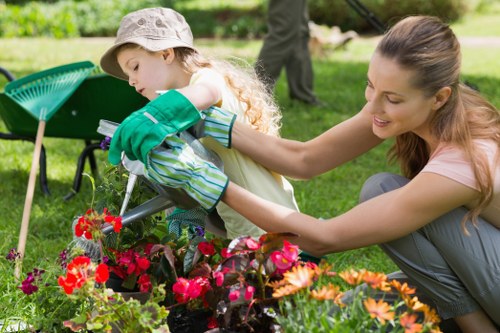 Gardeners Lambeth is committed to creating an eco-friendly waste disposal area and a thriving sustainable rubbish gardening area across the borough. Our approach balances practical garden waste handling with measurable sustainability goals so that community green spaces, allotments and private gardens all contribute to a low-carbon, circular system. We work with local councils and community groups to make green waste separation and reuse the default choice for gardeners.
We highlight a clear recycling percentage target to drive action: our short-term aim is to reach a 60% recycling rate for garden and related household organic waste within three years, rising to a 70% combined recycling and composting rate by 2030. These targets focus on diverting biodegradable material from landfill to composting and anaerobic digestion (AD), reducing methane emissions and returning nutrients to soil.
 Why this matters: garden waste that is properly separated becomes compost, mulch and feedstock for AD plants — not disposal. The Boroughs' approach to waste separation, including Lambeth’s emphasis on source separation (glass, paper and card, mixed recyclables, food waste and garden waste), underpins our practical on-the-ground activities. We align our garden waste operations with these borough-level systems, ensuring collected material can be accepted at authorised transfer stations and processing facilities.
Local Transfer Stations and Waste Routes
Gardeners Lambeth uses nearby transfer stations and regional waste hubs to keep travel distances short and processing efficient. We regularly route materials via local South London transfer facilities and borough transfer points that accept segregated garden waste streams. Short hauls to transfer stations reduce vehicle miles and improve throughput at composting sites and AD plants.
 Our operational planning factors in transfer station opening hours, acceptance criteria for green waste, and seasonal peaks. By coordinating with transfer sites we minimise contamination (soil, plastic sacks, non-organic debris) and maximise the quantity of material destined for composting. This also supports local recycling targets and helps the boroughs meet statutory diversion goals.
Working closely with transfer operators helps us develop routing that is both time- and carbon-efficient. We prioritise drop-offs to sites with robust quality control so that garden refuse becomes high-grade compost and mulch rather than being rejected for landfill.
Partnerships with Charities and Community Groups
Partnerships are central to scaling an effective sustainable rubbish gardening area. We collaborate with local charities and social enterprises — including community allotment groups, environmental charities like Groundwork London and local volunteer associations — to collect, sort and repurpose garden materials. These partnerships support social value, job training and community composting schemes.
Key activities with charity partners include coordinated collection days for bulky green waste, community compost hubs that accept trimmings and leaves, and redistribution of woody materials for community projects. Our alliance model ensures that materials not only leave gardens responsibly but are repurposed for public benefit.
We also run outreach with local schools and allotments to channel finished compost to community gardens, enhancing soil health and closing the loop between waste generation and reuse.
Low-Carbon Fleet and Sustainable Operations
The way we transport garden waste matters. Gardeners Lambeth is transitioning to a low-emission fleet: electric vans for urban collections, plug-in hybrid crew vans for longer runs, and cargo e-bikes for tight-access locations. These vehicles cut emissions and noise while keeping collection routes efficient.
 We track vehicle miles, fuel consumption and greenhouse gas savings so we can demonstrate progress toward our carbon reduction commitments. Low-carbon vans combined with smart route planning reduce overall environmental impact compared with traditional diesel fleets.
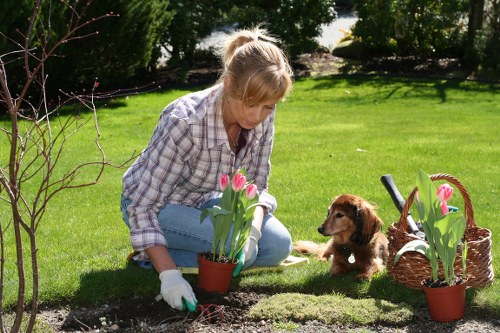 Beyond vehicles, sustainable site practices include segregated on-site bins for soil, woody material, green trimmings and recyclable packaging; use of biodegradable sacks only where necessary; and prioritising local processing to shorten supply chains. We also embrace product reuse — pruning wood for habitat piles, chipping branches for mulch, and letting leaves and green trimmings become compost — all part of a resilient green waste economy.
Operational Standards, Targets and Accountability
Standards: every collection follows clear separation protocols aligned with borough guidance: organics (food and garden waste), dry recyclables (paper, card, metal, plastic, glass) and non-recyclables. Our staff are trained to reduce contamination and record tonnes diverted from landfill.
Targets:
- 60% recycling and composting rate for garden-related waste in 3 years
- 70% combined recycling and composting rate by 2030
- Reduction of transport emissions per tonne by at least 30% over five years
We publish progress reports and share best practice with borough waste teams so that local authorities and community partners can coordinate on recycling performance and continuous improvement.
How Residents and Gardeners Can Help
Gardeners can support the program by separating green waste at source, using authorised collection services, and avoiding contaminants such as plastic bags, hardcore, and treated timber. Small changes in how waste is stored and presented make it easier for our teams to divert material to composting and reduce overall disposal costs.
Examples of preferred recycling activity:
- Keep grass clippings, prunings and leaves in separate green bins or compostable sacks
- Drop woody cuttings at community chipping hubs for mulch
- Use local transfer stations and community compost schemes for large volumes
By cooperating with borough waste separation systems and supporting local charity partners, gardeners help close the loop — transforming what was once 'rubbish' into a resource that nurtures soils and green spaces.
Looking Ahead
Gardeners Lambeth will continue to expand our eco-friendly waste disposal area network and refine a low-impact, sustainable rubbish gardening area model that other communities can emulate. Our combined focus on measurable recycling targets, partnerships, local transfer station use and a low-carbon fleet puts us on track to reduce landfill, cut emissions and build healthier soils across the borough.
We believe practical, community-led solutions are the fastest route to large-scale impact: from separated garden waste at the kerb to compost on local allotments, the circular transformation is achievable and essential.
Key takeaway: coordinated separation, strong partnerships with charities and community groups, efficient use of local transfer stations and a transition to low-carbon vans are the pillars of a resilient, sustainable garden waste strategy for Lambeth and beyond.

