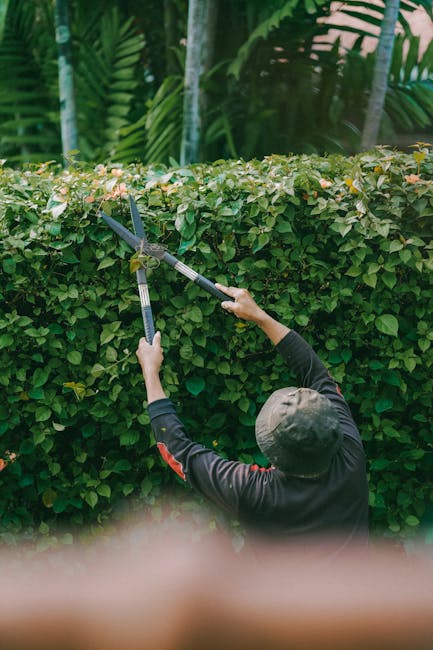
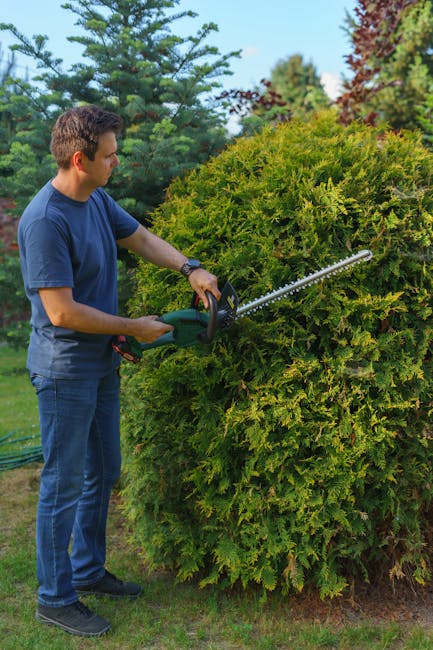
Vauxhall Station garden services Lambeth balconies and terraces: a practical guide for small outdoor spaces
If you live or work near Vauxhall Station, you already know the value of a small outdoor space. A balcony that catches the morning sun. A terrace that softens the view from a flat. Even a compact roof-level corner can feel like a proper room when it is planted and maintained well. That is where Vauxhall Station garden services Lambeth balconies and terraces come into their own: they turn awkward, windy, half-used spaces into places you actually want to sit in, water, and look after.
Truth be told, balcony and terrace gardening is a different game from ground-level garden work. Containers dry out faster, access can be tighter, and the margin for mess is smaller. The upside is huge, though. With the right planting plan, maintenance routine, and a bit of local know-how, these spaces can look sharp all year without becoming another chore hanging over your head.
This guide walks through what balcony and terrace garden services involve, who needs them, how the work is usually carried out, and what to watch for if you want long-lasting results rather than a quick tidy-up that fades by next week.
Contents
- Why it matters
- How it works
- Key benefits and practical advantages
- Who this is for and when it makes sense
- Step-by-step guidance
- Expert tips for better results
- Common mistakes to avoid
- Tools, resources and recommendations
- Law, compliance, standards and best practice
- Options, methods and comparison table
- Case study or real-world example
- Practical checklist
- Conclusion
- Frequently asked questions
Why Vauxhall Station garden services Lambeth balconies and terraces Matters
Balconies and terraces do a lot of heavy lifting in London living. They give you light, air, a bit of privacy, and that slight sense of escape after a busy day. Near Vauxhall Station, where homes, offices, and transport links all sit close together, that small outside area can make a flat feel more liveable straight away. And if it is well kept, it can also add a surprising amount of visual polish.
The challenge is that these spaces are exposed. Wind funnels between buildings. Rain can hit hard, then disappear. Pots heat up on bright days and dry out quickly. Fallen leaves collect in corners. Drainage matters more than most people expect. So while a balcony or terrace may look simple, it needs a more considered approach than an ordinary garden bed.
That is why local balcony and terrace care is worth taking seriously. A professional service can help you choose the right containers, manage maintenance, keep surfaces clear, and avoid mistakes that lead to staining, water damage, or weak planting. To be fair, most problems on balconies start small. A saucer left full of water, a pot blocking drainage, or a plant that is beautiful for two weeks and then sulks in the wind. Small things, annoying consequences.
There is also the lifestyle angle. Many people want green space but do not have time to maintain it properly. Others enjoy gardening but cannot lift heavy pots, carry bags of compost up stairs, or keep on top of pruning and replanting. Services for Lambeth balconies and terraces bridge that gap by making the space usable without turning it into a weekend project every month.
If you want a broader view of the support available, the services overview is a useful place to start, especially if your balcony work sits alongside wider outdoor improvements.
How Vauxhall Station garden services Lambeth balconies and terraces Works
Balcony and terrace garden services usually begin with a simple assessment. That means looking at the space, its exposure, the type of surface, and how the area is used day to day. Is it mainly for sitting? A few planters? A screen for privacy? A decorative space for entertaining? The answer changes the planting and maintenance plan quite a bit.
From there, the work often falls into a few practical stages:
- Site review - measuring the space, checking access, noting wind, shade, and drainage issues.
- Design or refresh plan - deciding what stays, what goes, and what needs replacing.
- Plant selection - choosing plants that suit container life and urban conditions.
- Container setup - making sure pots are stable, well-drained, and appropriate for the weight load.
- Ongoing care - watering, feeding, trimming, deadheading, and seasonal rotation.
For some clients, the service is a one-off makeover. For others, it is a recurring maintenance arrangement that keeps everything tidy and healthy over time. In many cases, a mix works best: a full refresh at the start of spring, then lighter visits through summer and autumn. Simple enough in principle, but the detail is where results are won or lost.
On terraces, especially larger ones, the service can also extend into hard landscaping elements. That may include screening, raised planters, or outdoor structures that shape the space more clearly. If that is part of your plan, it is worth looking at landscaping and landscape gardening to see how the wider outdoor layout can be improved alongside planting.
And if the terrace includes timber features or a decked section, decking services may be relevant too. A well-built surface and a well-planted edge often work much better together than either one on its own.
Key Benefits and Practical Advantages
There are plenty of reasons to invest in balcony and terrace care, but the strongest ones are practical rather than decorative.
- Better use of limited space - a small area becomes functional, not just visible.
- Cleaner, safer surfaces - less clutter, fewer trip hazards, and fewer drainage issues.
- Stronger plant health - the right species in the right container usually last longer.
- More privacy - planting can soften overlooking buildings and busy sightlines.
- Improved atmosphere - a little greenery changes how a place feels, especially in dense urban settings.
- Lower stress for the owner - maintenance stays manageable rather than snowballing.
There is also a subtle value benefit. A neat terrace says the property is cared for. That matters for tenants, landlords, homeowners, and businesses alike. Even when people do not consciously notice the planting, they notice the effect. Fresh, tidy, uncluttered. A space that feels considered.
One thing people often miss is how balcony gardens affect daily habits. If the space is pleasant, you use it more. You step outside with a coffee. You open the door in the evening. You water the herbs because, well, they are right there. That tiny shift can make a flat feel far more settled.
If your outdoor area is currently more storage than sanctuary, a maintenance-led approach can help. Regular care through garden maintenance is often the difference between a lively terrace and a neglected one that quietly gets worse each month.
Who This Is For and When It Makes Sense
This kind of service is useful for more people than you might think. It is not just for keen gardeners. In fact, some of the best balcony results come from people who simply want the space to work properly without needing to become plant experts overnight.
It tends to make sense for:
- Flat owners who want a cleaner, greener balcony without constant upkeep.
- Tenants who need a presentable outdoor space but cannot install permanent changes.
- Landlords preparing a property for viewings or new tenants.
- Small businesses with terraces, smoking areas, or customer seating outside.
- People recovering from a busy season who want a reset, not a full redesign.
- Anyone who has tried balcony gardening once, then realised containers can be a bit more demanding than expected.
It also makes sense when the space feels unfinished. Maybe you have a few pots, but they do not work together. Maybe there is no privacy. Maybe the planting has gone leggy and tired. Or perhaps the terrace is perfectly usable, just not pleasant. That last one is common. You can technically sit there, yes, but would you want to? That is the question.
Sometimes the best time to bring in help is after a run of bad weather or before a seasonal change. Spring and early autumn are good moments to reassess, because plant replacement and pruning tend to be easier then. Summer can work too, though watering needs are higher and surfaces can dry out rapidly in the heat.
Step-by-Step Guidance
If you are planning balcony or terrace improvements, a simple process keeps things on track. You do not need to overcomplicate it. Just be methodical.
1. Start with what the space actually needs
Do you need colour, privacy, structure, herbs, a seating corner, or easier maintenance? Start there. A terrace with full sun has different needs from one that stays shaded most of the day. A windy space needs heavier containers or more sheltered planting. A family balcony needs safer, simpler arrangements than a decorative one used only for evenings.
2. Clear away what is not working
Old compost, dead plants, cracked pots, broken saucers, and clutter make the whole area feel smaller. A proper clear-out is often the most satisfying part. It is also where the improvement begins, even before anything new is added. If there is a lot to remove, garden clearance can be useful for dealing with green waste and general debris safely.
3. Choose the right containers
On balconies and terraces, container size, weight, and drainage matter more than style alone. Too small and the soil dries out too quickly. Too light and the pot may topple in strong wind. Too little drainage and roots suffer. It is a balancing act, and a bit boring to talk about maybe, but it matters a lot.
4. Match plants to the conditions
Use plants that suit the space, not plants you wish would suit it. Sun-loving herbs, compact evergreens, grasses, climbers, and seasonal colour all have their place. The point is to build a mix that survives ordinary London weather rather than one perfect week in June.
5. Set up a maintenance routine
Once the space is planted, the job is not done. It just changes shape. Watering, feeding, deadheading, pest checks, and occasional reshaping all keep the area looking intentional. If you are not sure what frequency is realistic, start smaller. A simple monthly routine is better than an ambitious one you abandon after ten days.
6. Review the space after a few weeks
Watch what happens in real conditions. Which side dries fastest? Which pot stays wet? Does the seating area feel cramped? Do leaves keep blowing into one corner? These little observations lead to better adjustments than any guesswork ever will.
Expert Tips for Better Results
Here is the honest version: good balcony and terrace work is mostly about restraint and consistency. The flashiest option is not always the best one.
- Use repetition for calm - repeating a few plant varieties across the space often looks more polished than using too many different ones.
- Think in layers - low, mid, and taller planting gives depth without needing a huge area.
- Prioritise drainage - standing water is one of the quickest ways to damage plant health and mess up surfaces.
- Choose sturdy materials - cheap pots and flimsy supports tend to fail at the worst time. Usually when it is blowing a bit.
- Make watering easy - if watering feels awkward, you will avoid it. That is human nature, really.
- Leave breathing room - a balcony does not need every centimetre filled. Space can be part of the design.
A small but useful tip: place your most delicate plants where they are less exposed, and your tougher ones at the edges where wind hits first. It sounds obvious once said, but it is easy to forget when you are standing there with a trolley full of plants and too much optimism.
If sustainability matters to you, ask how waste is handled and whether materials can be reused or recycled where appropriate. The page on recycling and sustainability is a sensible reference point if you care about greener working practices.
Common Mistakes to Avoid
Most balcony and terrace issues come from a few recurring mistakes. Avoid these and you are ahead already.
- Choosing plants for looks only - attractive plants that hate the site will not last.
- Ignoring weight limits - heavy planters, wet compost, and water barrels add up fast.
- Blocking drainage points - this is one of the least glamorous problems, but one of the most costly.
- Overcrowding - too many pots make the space harder to use and harder to maintain.
- Forgetting wind exposure - a sheltered terrace and an exposed balcony are not the same environment.
- Skipping regular checks - small issues become big ones if no one notices them early.
A common one is overwatering. People mean well. They really do. But container plants can sit in wet compost longer than expected, especially in cool spells, and roots can suffer. Another easy trap is buying too many statement items at once. Suddenly there is nowhere to walk. It happens.
For larger tidy-ups, it can help to pair balcony work with broader trimming or reshaping elsewhere in the property. Services such as hedge trimming and lawn mowing are more relevant for ground-level spaces, but the principle is the same: keep the site balanced and manageable.
Tools, Resources and Recommendations
You do not need a van full of equipment to look after a terrace well. Still, the right tools make life easier and reduce wear and tear on the space.
| Tool or item | Why it helps | Best for |
|---|---|---|
| Watering can or hose attachment | Gives control over watering, especially in tight spaces | Small and medium balconies |
| Long-handled snips | Useful for deadheading, trimming, and light shaping | Regular maintenance |
| Lightweight pots with drainage | Reduce load and protect roots | Upper-floor terraces |
| Moisture-retaining compost | Helps plants cope with dry, windy conditions | Sunny balconies |
| Soft broom or handheld brush | Keeps surfaces clean without scratching | All terraces and balconies |
| Plant ties and supports | Stabilise climbers and taller plants | Screening and structure |
In practice, the best resource is often a maintenance schedule that fits your life. Not too much. Not too little. If a service is being arranged professionally, it is sensible to ask what is included, how often the space will be checked, and whether plant replacements are part of the plan or charged separately. That sort of clarity saves awkward surprises later on.
For anyone comparing broader support options, pricing and quotes can help set expectations before work begins, while about us gives a better sense of the people behind the service. Not glamorous, maybe, but helpful.
Law, Compliance, Standards, and Best Practice
Balcony and terrace work in London can involve practical constraints that are worth respecting, even when the job itself looks simple.
First, there may be lease, building, or management rules about what can be added to external spaces. That can affect drilling, fixing, screens, heavy planters, irrigation, or storage. If the property is shared, it is wise to confirm what is allowed before installing anything semi-permanent. Nobody enjoys dismantling a neatly arranged setup because it was not approved in the first place.
Second, weight and drainage are not just nice-to-have concerns. Overloading a balcony with heavy containers, wet compost, and water features can create avoidable risk. A careful service should take a conservative approach, use sensible materials, and avoid assumptions about structural capacity. If anything feels uncertain, get it checked properly by the relevant building professional rather than guessing.
Third, access and safety matter during the work itself. Good practice means safe lifting, tidy cable management, sensible handling of tools, and care around edges and wet surfaces. If a provider has clear procedures, insurance, and a health-and-safety mindset, that is a reassuring sign. The pages on health and safety policy and insurance and safety are worth reviewing for peace of mind.
Finally, waste handling should be responsible. Green waste, old compost, broken pots, and packaging should be removed and disposed of properly. For customers who value lower-impact working methods, sustainable disposal practices are a strong plus, not an afterthought.
Expert summary: The best balcony and terrace garden service is one that respects the limits of the space, keeps maintenance realistic, and makes the outdoor area genuinely easier to use. A good result should feel calm, not crowded.
Options, Methods, or Comparison Table
There is more than one way to improve a balcony or terrace. The right option depends on your goals, budget, and how much maintenance you are willing to do.
| Approach | What it gives you | Best when | Trade-off |
|---|---|---|---|
| Simple refresh | Cleaner, tidier, more presentable space | You want quick improvement with minimal change | Limited transformation |
| Planting redesign | Better structure, colour, and seasonal interest | The space feels tired or disconnected | Needs a clearer maintenance plan |
| Container-led setup | Flexible, movable planting that suits rentals or changing needs | You want low-commitment improvements | Requires regular watering |
| Terrace makeover with hard features | Stronger layout, screening, and usability | You want a more complete outdoor room | May involve more planning and cost |
For many people near Vauxhall Station, the sweet spot is somewhere in the middle: not a full redesign, but not just a tidy-up either. A clear layout, good pots, reliable planting, and a manageable upkeep routine often deliver the best return without becoming over-engineered.
Case Study or Real-World Example
Here is a simple real-world style example. A couple living in a Lambeth flat had a south-facing terrace that looked bright but felt unused. They had a few mismatched planters, one cracked container, and a corner where leaves and dust kept gathering. The space was technically fine, but it never quite felt welcoming.
The first step was clearing out what no longer worked. Old compost was removed, the cracked pot was retired, and the planters were reorganised so the seating area had a clearer shape. Then the planting was rebuilt around a small number of robust, container-friendly species: a few structural evergreens, seasonal colour, and herbs close to the door for easy access.
The result was not flashy. That was the point. It felt calmer, neater, and easier to live with. Watering became simpler because the pots were grouped by need. The terrace was more usable in the evening because the layout left room to move. Most importantly, the owners stopped avoiding it. They started stepping out there again after work, which sounds minor, but really is the whole game.
A similar approach can work whether the goal is a personal retreat, a smarter rental property, or a small business terrace that needs to look presentable during the day. Good design is often less about adding things and more about removing friction.
Practical Checklist
Use this checklist before starting or refreshing a balcony or terrace project.
- Check what the space is for: relaxing, screening, dining, display, or mixed use.
- Measure the available area and note access points.
- Observe sun, shade, and wind at different times of day.
- Confirm any building, lease, or management restrictions.
- Review container weight, drainage, and surface protection.
- Remove dead plants, broken items, and unnecessary clutter.
- Choose plants that suit the conditions rather than just the colour palette.
- Plan how watering and maintenance will actually happen.
- Keep the layout open enough to use comfortably.
- Schedule seasonal checks so problems do not build up quietly.
If you can tick off most of those points, you are in a good position. If not, that is fine too. It just means the space needs a bit more planning before money and effort go into it.
Conclusion
Vauxhall Station garden services Lambeth balconies and terraces are really about making small outdoor spaces work harder and feel better. That might mean better planting, a cleaner layout, safer containers, lighter maintenance, or a full terrace refresh. In many cases, it is a mix of all four.
The best results come from honest planning. Know what the space can handle. Choose plants that suit the conditions. Keep the upkeep realistic. And do not cram too much in just because there is room on paper. Real spaces have wind, rain, shade, clutter, and human habits to deal with.
When those details are handled well, a balcony or terrace stops being an afterthought and starts feeling like part of the home. Not perfect. Not fussy. Just genuinely useful, and quietly lovely in the way good outdoor spaces often are.
Get a free quote today and see how much you can save.
Frequently Asked Questions
What do Vauxhall Station garden services Lambeth balconies and terraces usually include?
They typically include planting advice, container setup, tidy-ups, pruning, watering support, seasonal refreshes, and ongoing maintenance. Some projects also include layout changes or light landscaping features if the space allows.
Are balcony and terrace gardens hard to maintain?
They can be, if the wrong plants or containers are used. But with sensible plant choices, good drainage, and a realistic care routine, they are very manageable. Often easier than people expect once the basics are right.
What plants work best on windy balconies in Lambeth?
Tougher plants, compact evergreens, ornamental grasses, and sheltered herbs often cope better than delicate, top-heavy varieties. The exact choice depends on sun, shade, and how exposed the space is.
How often should balcony planters be watered?
That depends on weather, pot size, compost type, and plant choice. In warm, dry spells, container plants may need watering far more often than ground-level planting. In cooler periods, they may need much less. A good service will judge this based on the actual conditions.
Can terrace gardening help with privacy?
Yes. Screen planting, taller pots, climbers, and layered arrangements can soften views from neighbouring buildings and make the space feel more secluded. It is a common reason people ask for terrace help in busy urban areas.
Do I need planning permission for balcony planting?
Simple pot-based planting usually does not involve planning permission, but building rules, lease terms, and management conditions may still apply. Anything fixed, heavy, or structural should be checked carefully before installation.
How do I stop water damage on a terrace?
Use proper drainage, avoid overwatering, place pots on suitable bases, and make sure runoff does not sit against walls or door thresholds. Surface protection matters more than many people realise.
Is it worth hiring a professional for a small balcony?
Often yes, especially if access is awkward, the space is exposed, or you want a polished result without trial and error. A small area can still be surprisingly technical once drainage, weight, and plant choice come into play.
What is the difference between garden maintenance and a balcony refresh?
Garden maintenance usually covers regular care, tidying, and plant health over time. A balcony refresh is more focused on improving the layout and appearance of a contained outdoor space, often as a one-off or seasonal update. If you want both, the two can work well together.
How much disruption should I expect during the work?
Usually not much for small balcony projects. You can expect some moving of pots, cleaning, and light mess while old material is removed. Good planning keeps disruption low and the area usable again quickly.
Can terrace work include decking or hard surfaces?
Yes, if the space and property rules allow it. Hard surfaces, screening, and layout features can be part of a broader design. For that, services like landscaping and decking-related work may be relevant.
What should I ask before booking a service?
Ask what is included, how plants are chosen, how waste is handled, what the maintenance plan looks like, and whether insurance and safety procedures are in place. Clear answers early on usually mean fewer surprises later.