SW8 gardeners Lambeth quick composting and green pickup: a practical guide to faster, cleaner garden waste handling
If your garden in SW8 is piling up with cuttings, branches, lawn clippings, and the kind of green waste that seems to multiply overnight, you are not alone. SW8 gardeners Lambeth quick composting and green pickup is really about making that mess manageable: turning fresh garden waste into useful compost where possible, and moving the rest away quickly and responsibly. It sounds simple, but the difference between a tidy, healthy garden and a stubborn cluttered one often comes down to how fast you handle the waste. In Lambeth, where space is precious and back gardens can be tight, timing matters. A lot.
This guide explains how quick composting and green pickup works, when it makes sense, what to avoid, and how local homeowners, landlords, and property managers can get better results without overcomplicating things. You will also find a practical checklist, a comparison table, and a few real-world pointers that make the whole process less of a chore and more of a system.
Why SW8 gardeners Lambeth quick composting and green pickup Matters
Green waste is one of those things that looks harmless until it starts taking over the garden. A few bags of cuttings become a damp heap behind the shed. A hedge trim turns into a bristly mountain. Before long, the patio feels smaller, the airflow in the garden drops, and the whole place starts looking neglected even if the rest is in decent shape.
That is where quick composting and green pickup earns its keep. The aim is not just to remove waste. It is to handle it in the right order, so material that can be composted is separated early, and the rest is collected before it becomes bulky, smelly, or awkward to move. In a place like SW8, where many gardens are compact and access can be narrow, a fast turnaround can save a lot of stress.
It also matters for garden health. Fresh green waste left in piles can trap moisture, encourage rot, and invite pests. On the other hand, well-managed composting can create a useful soil improver that helps beds, borders, and planters retain structure and moisture. To be fair, most people do not need a lecture about compost science. They need a process that works on a Tuesday afternoon when the bins are already full and it has just started drizzling. Fair enough.
If your garden needs a broader tidy-up before waste handling starts, it often helps to pair this approach with garden clearance or regular garden maintenance. Those services make it easier to keep green waste under control rather than letting it build up into a seasonal headache.
How SW8 gardeners Lambeth quick composting and green pickup Works
At its simplest, the process has two parts: sort the green waste quickly, then move or reuse it efficiently. The exact setup depends on the size of the job, the type of waste, and whether the material is suitable for composting.
Quick composting means separating organic material that breaks down well. Think grass clippings, soft prunings, non-diseased leaves, and small plant matter. These materials can be layered, aerated, and monitored so they start breaking down without sitting around in a soggy pile for weeks. The point is speed and usability, not perfection.
Green pickup is the removal side of the job. That may involve bagging, bundling, loading, and transporting the waste away once the site has been cleared. In practical terms, green pickup is often what makes a garden feel instantly better. The visual reset is immediate. You look outside in the morning and, suddenly, you can see the border edge again.
In a typical SW8 setting, the workflow often looks like this:
- Assess what can be composted and what should be removed.
- Separate woody material from soft green waste.
- Cut oversized branches or bulky clumps down to manageable size.
- Stack compostable matter in a breathable, workable heap or bin.
- Bag or load the remaining green waste for pickup.
- Leave the space clean, swept, and ready for the next task.
That sequence sounds almost too straightforward, but honestly, the small details make the difference. If you chop and sort properly at the start, everything else moves faster. If not, you end up with a half-finished pile and a wheelbarrow that feels heavier every five minutes.
For many households, this sits naturally alongside broader outdoor work such as lawn mowing, hedge trimming, or even tree lopping and removal when larger woody debris is involved. Once those jobs are done, waste handling becomes much more efficient.
Key Benefits and Practical Advantages
The biggest benefit is simple: less mess, faster. But there is more to it than that.
- Cleaner outdoor space: Removing cuttings quickly stops the garden from looking half-finished.
- Better compost quality: Fresh material composts more cleanly when it is sorted early and not mixed with unsuitable debris.
- Less odour and decay: Wet, compacted green waste can smell unpleasant and attract pests.
- Improved access: In narrow SW8 gardens, quick removal keeps paths, steps, and side returns usable.
- More efficient maintenance: Once waste is under control, routine care becomes quicker and less expensive in the long run.
- Environmental value: Composting suitable waste keeps organic material in a useful cycle rather than treating everything as rubbish.
There is also a psychological benefit people do not always mention. A clear garden is easier to enjoy. You sit out for five minutes with tea, notice the light on the leaves, hear the street soften a little in the background, and the whole space feels calmer. Small thing, maybe. But it matters.
For homeowners thinking about longer-term outdoor improvements, quick green pickup can sit neatly alongside landscaping or landscape gardening. Good design is easier to maintain when waste is handled properly from the start.
Who This Is For and When It Makes Sense
This approach is useful for more people than you might expect. It is not just for large gardens or heavy-duty clearances.
- Busy homeowners: If you keep meaning to sort the garden but never quite get a free weekend.
- Landlords and letting agents: A quick reset between tenancies can make a property feel cared for.
- Shared homes: Communal outdoor areas benefit from prompt waste removal because nobody wants to store everybody else's hedge trimmings.
- Older residents: Composting and lifting heavy bags can be physically demanding, so a faster pickup saves strain.
- People preparing for work: If you are having new planting, turfing, or layout changes, waste must be dealt with first.
- Seasonal gardeners: Spring and autumn produce a lot of material in a short window. The garden can go from tidy to chaotic in what feels like ten minutes.
It makes sense whenever waste is building faster than you can process it. That includes after a hedge cut, a lawn cut following wet weather, or a general tidy after a windy spell. London gardens often get hit with a bit of everything in the same week, which is, let's face it, very London.
If the job is more than a simple tidy, a fuller service package may help. The overview on services overview is a sensible place to understand how different outdoor tasks fit together, especially if green pickup is only one part of a wider project.
Step-by-Step Guidance
If you want a cleaner result and less wasted time, use a structured approach. It does not need to be complicated.
1. Walk the garden first
Look for what is actually green waste and what is not. Plastic ties, broken pots, old plant labels, and general rubbish should not end up in compost. It sounds obvious, but mixed waste is one of the main reasons compost heaps become useless or pickup takes longer than planned.
2. Separate the material
Group soft waste, woody waste, and anything questionable. Fresh grass and soft pruning material can usually go into composting. Thicker branches may need chipping or bundling. Diseased plants or heavily infested material should be treated with caution rather than dumped into a general compost heap.
3. Reduce the volume
Cut long stems, break down bulky clumps, and flatten bags where possible. A pile that looks manageable in the corner can be a nightmare once it gets loaded. Reducing volume early saves time later, and your back will thank you, frankly.
4. Compost only what belongs there
Layer the compostable material properly. A healthy compost mix usually benefits from balance: soft green matter, a bit of structure, airflow, and sensible moisture. Too much wet grass and you get a dense, unpleasant block. Too much dry, woody matter and decomposition slows right down.
5. Load the pickup waste efficiently
Bag or stack the non-compostable green waste in a way that is easy to carry and transport. If access is tight, plan the route first. The difference between an easy pickup and a clumsy one is often just whether the path is clear and the bags are placed sensibly.
6. Finish with a proper sweep-through
Edges, corners, steps, and patio joints are where small pieces get left behind. A quick sweep makes the whole garden look properly finished rather than half-done. This is the bit people remember when they look out the window later that evening.
Expert Tips for Better Results
Over time, the fastest garden waste jobs tend to follow a few simple habits. These are the things that save hassle.
- Keep composting material loose: Airflow matters. A compacted heap slows down and starts to smell.
- Use a separate zone for pickup waste: One space for compost, one for removal. That split keeps things moving.
- Deal with waste on the same day as the cut: Fresh waste is easier to move than wilted, soggy material left overnight.
- Work from the top down: Trim, cut, and clear in a logical order so you are not walking over the same mess repeatedly.
- Protect hard surfaces: Damp clippings on paving can stain and become slippery.
- Watch weather windows: If it is warm and dry, composting progresses better. If it is pouring rain, focus on safe removal and storage.
A small but useful habit: keep a couple of sturdy collection bags or bins dedicated to green waste. It sounds boring. It is boring. But it works. And boring systems are often the best systems.
If you want a service that already understands responsible waste handling, a provider with a stated focus on recycling and sustainability is worth paying attention to. That does not solve everything on its own, but it shows the job is being approached with the right mindset.
Common Mistakes to Avoid
Most problems with composting and green pickup are avoidable. Usually, they come from rushing the first five minutes and then paying for it later.
- Mixing all waste together: Compostable waste and general rubbish should not be treated as the same thing.
- Leaving piles too long: Fresh clippings become heavy, wet, and harder to handle.
- Overloading compost with grass: Too much grass makes the heap dense and anaerobic.
- Ignoring large woody material: Thick branches need a different handling method from soft cuttings.
- Forgetting access: A narrow side return, locked gate, or awkward step can slow the pickup significantly.
- Skipping the final tidy: Tiny scraps can make a neat job look unfinished.
Another common slip is trying to compost material that really should not go in there. Diseased plants, invasive material, and contaminated debris are best kept separate. If in doubt, treat the material cautiously rather than assuming it will sort itself out. Compost is forgiving, but not magical. Shame, really.
Tools, Resources and Recommendations
You do not need a shed full of specialist gear, but the right basics make a huge difference.
| Tool or resource | Best use | Why it helps |
|---|---|---|
| Sturdy garden bags | Collecting soft green waste | Makes pickup faster and reduces spillages |
| Secateurs and loppers | Cutting down branches and stems | Helps reduce volume before composting or removal |
| Rake or leaf broom | Gathering loose clippings | Speeds up the final sweep and improves finish |
| Wheelbarrow | Moving waste through narrow spaces | Useful for SW8 gardens with limited access |
| Compost bin or heap | Processing suitable organic waste | Creates a reusable soil improver over time |
| Professional garden clearance support | Bulk waste removal and tidy-up | Best when the job is larger than a normal garden reset |
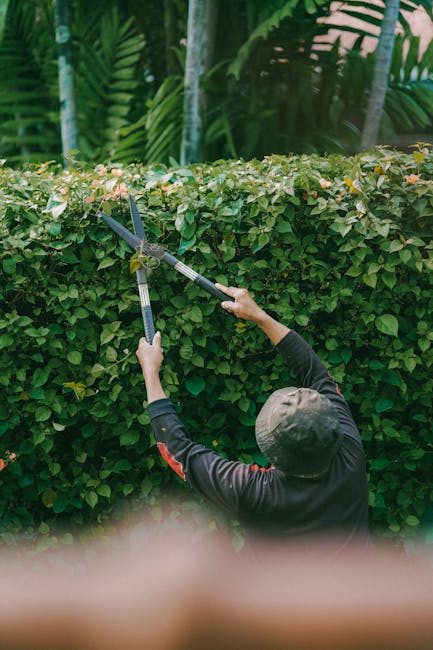
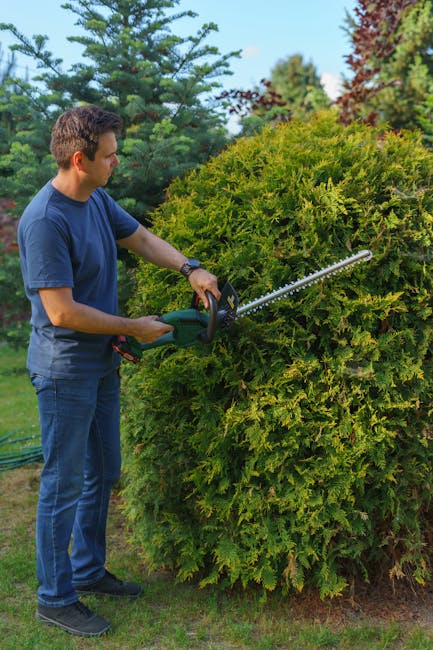
For heavier jobs or repeat maintenance, pairing quick composting with garden clearance can be the most efficient route. It keeps the compostable material separated while ensuring the rest does not linger on site. If a hedge or boundary has produced more waste than expected, then hedge trimming may be worth scheduling with the waste plan already in mind.
Law, Compliance, Standards, or Best Practice
This topic is not usually about heavy regulation in the way some trades are, but good practice still matters. In London, and especially in shared or built-up areas, garden waste handling should be done carefully to avoid mess, nuisance, and avoidable safety issues.
Here are the main principles to keep in mind:
- Do not leave waste obstructing pavements, access routes, or communal areas.
- Separate organic waste from general waste where possible. It makes disposal and composting more efficient.
- Handle sharp branches, thorny clippings, and heavy bags safely. Gloves and sensible lifting technique are not optional on a bad day.
- Avoid contaminating compostable material. Plastic, treated wood, and non-organic debris should not be mixed in.
- Consider neighbour impact. Noise, smells, and temporary storage should be kept reasonable.
If a service provider is handling the work, it is sensible to check related operational standards such as health and safety policy, insurance and safety, and payment and security. Those pages do not replace common sense, of course, but they do help show the work is being managed properly.
One more practical point: composting itself is best treated as a controlled, tidy process rather than a vague pile in the corner. If it is sitting there, smelling sour, and attracting flies, something has gone wrong. Usually it is too wet or too compacted. Simple fix, but it needs attention.
Options, Methods, or Comparison Table
Not every garden waste job should be handled the same way. Some are best composted on site. Others need fast removal. A few need a combination of both.
| Method | Best for | Pros | Trade-offs |
|---|---|---|---|
| On-site quick composting | Soft plant matter, grass, leaves | Eco-friendly, reusable, low waste | Takes space and needs monitoring |
| Immediate green pickup | Bulky clippings, awkward access, time-sensitive jobs | Fast, tidy, low hassle | Requires transport and handling capacity |
| Combined composting and pickup | Mixed jobs with both soft and bulky material | Flexible and efficient | Needs sorting and a bit more planning |
| Full garden clearance | Overgrown or neglected gardens | Most thorough reset | More labour and more waste volume |
For many SW8 properties, the combined method is the sweet spot. Compost the material that is easy to reuse, and clear the rest. That way the garden gets the environmental benefit without becoming a storage yard for branches and half-dead leaves.
Case Study or Real-World Example
Imagine a typical rear garden in SW8 after a few weeks of growth: the lawn has surged, the hedge has thrown out long shoots, and the border has a mix of soft cuttings, dead stems, and a couple of thicker branches from a recent prune. Nothing dramatic. Just enough to make the space feel untidy and slightly cramped.
The sensible approach is to cut the hedge waste down first, separate the soft material from the woody pieces, and set aside anything suitable for compost. The grass clippings are handled carefully so they do not compact into a slimy clump. The heavier branches are bundled for pickup. By the end of the session, the paving is swept, the bins are not overflowing, and the garden looks ready for normal use again.
The real win here is not only appearance. The owner can now maintain the space more easily because the waste has been handled in a structured way. A week later, if more clippings appear, there is already a system in place. That is what people often miss. It is not just a one-off tidy. It is a better routine.
And yes, sometimes the difference between a garden that feels usable and one that feels like a chore is literally one good clear-out. You know it when you see it.
Practical Checklist
Use this quick checklist before you start or book a job:
- Is the waste mainly soft green material, woody debris, or mixed?
- Do you have a clear composting area or a place for collection bags?
- Are there any diseased plants, thorny stems, or awkward branches?
- Can the access route handle bags, bins, or a wheelbarrow safely?
- Do you need same-day pickup because the space is tight?
- Are you dealing with a one-off clear-up or ongoing maintenance?
- Will the job benefit from other services like lawn care or hedge work?
- Have you checked the weather so wet material does not become heavier than expected?
- Is the final finish important because the garden will be used straight after?
- Do you want to reuse compostable material rather than remove everything?
If you can answer those questions clearly, the job is usually easier to plan. If not, that is fine too. Most people only notice the real shape of the task once they start lifting the first bag.
Get a free quote today and see how much you can save.
Conclusion
SW8 gardeners Lambeth quick composting and green pickup is really about getting the basics right: sort early, compost what belongs there, remove what does not, and keep the garden usable as you go. In a busy part of London, where outdoor space is valuable and time is always short, that practical approach makes a noticeable difference.
It keeps gardens tidier, reduces waste, and prevents the slow creep of clutter that can make even a decent space feel neglected. Whether you are dealing with routine maintenance or a bigger seasonal clear-up, a clear waste plan saves time and stops small jobs turning into larger ones.
And if there is one takeaway here, it is this: a garden feels better when the waste never gets the chance to settle in. Small action, big difference. That is the real trick.
Frequently Asked Questions
What does quick composting mean in a garden service?
Quick composting means separating suitable organic garden waste early and processing it in a way that helps it break down efficiently. It is about speed, airflow, and sensible sorting rather than leaving a mixed heap to sort itself out.
What is green pickup in practical terms?
Green pickup is the collection and removal of garden waste such as grass cuttings, leaves, soft prunings, and small branches. It is the part of the job that clears the space and stops waste building up on site.
Can all garden waste be composted?
No. Soft plant matter, leaves, and grass are often suitable, but contaminated material, diseased plants, plastics, and many woody items should be handled differently. A good sort at the beginning makes a big difference.
How fast should green waste be removed after cutting?
As soon as practical. Fresh waste is easier to handle, lighter to move, and less likely to smell or compact into a messy pile. The longer it sits, the more awkward it usually becomes.
Is quick composting suitable for small SW8 gardens?
Yes, very much so. Small gardens often benefit the most because there is less room for waste to sit around. A compact composting setup or same-day pickup can keep things tidy without taking over the whole space.
What type of waste usually causes the biggest problems?
Wet grass, tangled hedge clippings, and mixed debris are the usual troublemakers. They are bulky, heavy, and can quickly become unpleasant if left in a heap for too long.
Should I combine hedge trimming with green pickup?
Usually yes, if the hedge work creates a meaningful amount of waste. Combining the tasks saves time, keeps the area clean, and avoids moving the same material twice. It is one of those sensible choices that feels obvious afterwards.
Do I need a full garden clearance or just pickup?
If the waste is part of a broader overgrown or neglected garden, full clearance may be the better option. If the garden is generally fine and you only need the clippings removed, green pickup alone may be enough.
How do I stop compost from smelling bad?
Keep the heap balanced, airy, and not too wet. Too much grass or too much moisture can cause smells. Mixing in drier material and avoiding compaction usually helps.
What should I check before booking a green waste service?
Check access, waste type, volume, and whether you want composting as part of the process. It also helps to know if you need supporting work such as lawn care, hedge work, or clearance.
Are there safety issues with handling garden waste?
Yes, especially with heavy bags, thorny material, wet surfaces, and awkward lifting. Gloves, clear walkways, and sensible handling are basic best practice. Nothing dramatic, just the usual bits that save a sore back.
How can I make future green pickup easier?
Keep on top of regular maintenance, separate waste as you go, and avoid leaving cuttings to build up after every trim. A little routine prevents the big pile-up that always seems to happen just before a busy weekend.